A1
+500 exercises










The B1 Beruf Listening and Writing exam is a key component of many vocationally oriented language tests in German-speaking countries. It is mainly intended for individuals preparing for a job in Germany or already working in a professional field who need to prove their language skills. The test is offered in Germany and in selected countries that promote job-related language development.
The goal of the test is to assess whether candidates can communicate appropriately in work-related situations, both orally and in writing. The main focus is on understanding spoken content and composing structured texts – under realistic, work-based conditions.
The exam consists of two main parts:
The total duration is usually around 60 minutes, although the exact structure may vary slightly depending on the provider.
The evaluation is carried out by certified examiners using standardized criteria. To pass at the B1 level, candidates must achieve at least 60 percent of the total points in both listening comprehension and written expression.
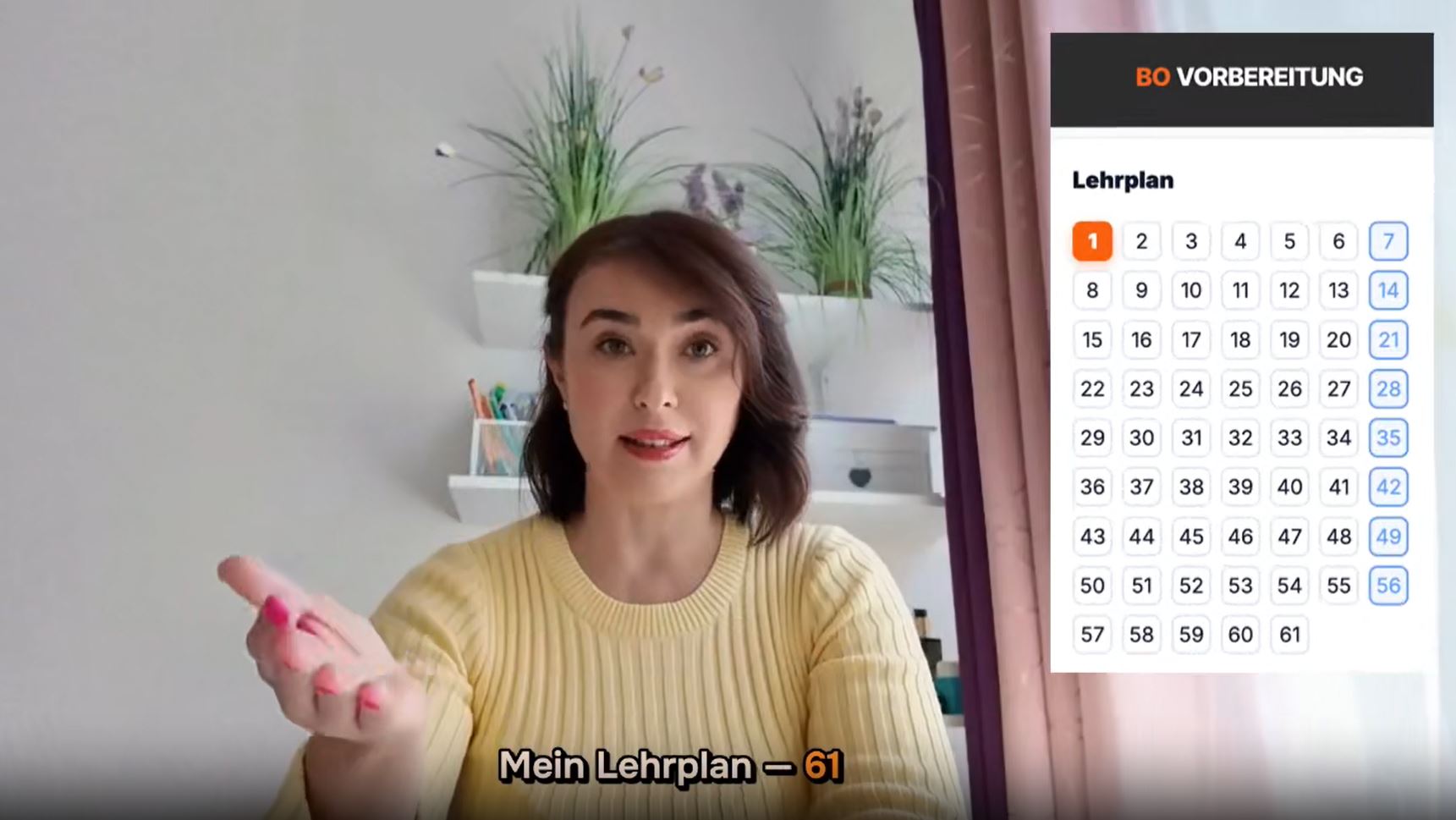
Olena, the founder of this platform, has been working for years with an international network of examiners and German teachers. The exercises on this site are based not only on official exam guidelines but also on real-life job experience. Her advice: “Practice with real templates. Use work-related scenarios and focus on structured writing. Those who train under exam-like conditions will feel much more confident during the real test.”
Language coach Monika K. emphasizes: “Writing in a professional context requires routine. Those who learn to write clearly will be able to respond well to unexpected tasks.” Many experts recommend working with audio recordings and actively summarizing or outlining what was heard.
A test participant from Leipzig shares: “The listening exercises with real workplace dialogues helped me a lot. I knew exactly what to focus on.” A course participant from Cologne adds: “Writing was difficult at first, but the structured practice materials here gave me a lot of confidence.”
The combination of listening and writing presents a demanding challenge to learners. Those who prepare early and use practical exercises significantly improve their chances of success in this exam.