






What Does the Expression “Brotkorb” Mean?
In German, the word Brotkorb literally means “a basket for bread.” In fixed expressions, however, the word takes on a figurative meaning. It is mainly used in expressions related to restriction, frugality, or the reduction of support.
Below is a clear explanation based on reliable dictionaries such as Duden and DWDS (status: December 2025).
1. The most important figurative meaning
The expression “den Brotkorb höher hängen” is the most well-known phrase using this word.
Meaning:
“To give something (e.g. money, help, or support) more sparingly; to tighten conditions; to make access to resources more difficult.”
The image behind it is simple: if the bread basket is hung higher, it is harder to reach— so you get less, or only with difficulty, of what you want.
2. Origin of the expression
In the past, a bread basket was often hung high so that animals or small children could not reach the food. The higher the basket hung, the more difficult it was to get the bread.
From this developed the metaphor: whoever “hangs the bread basket higher” deliberately makes something harder to reach and thus limits access.
3. Use in modern language
The expression is mainly used in everyday language and in newspaper articles.
Examples:
“Nach den schlechten Geschäftszahlen hängt der Chef den Brotkorb höher.”
→ The company is saving more strictly; the boss approves less.
“Wenn Kinder zu verschwenderisch sind, hängen die Eltern den Brotkorb höher.”
→ The parents reduce the allowance.
4. Other expressions with “Brot”
The word Brotkorb is found almost exclusively in the expression mentioned above. However, there are other fixed expressions with Brot that belong to the same semantic field:
- “um sein tägliches Brot kämpfen” – to struggle to earn a living
- “sein Brot verdienen” – to earn one’s living
- “Brot und Butter” – the essentials, basic security
These expressions are not directly connected to Brotkorb, but they also belong to the thematic area of provision and livelihood.
5. When to use the expression
The expression is appropriate when it is about:
- financial restrictions,
- stricter control of expenses,
- cost-cutting measures,
- deliberately reduced support
It is not suitable when referring to punishments, bans, or educational measures without a connection to resources.
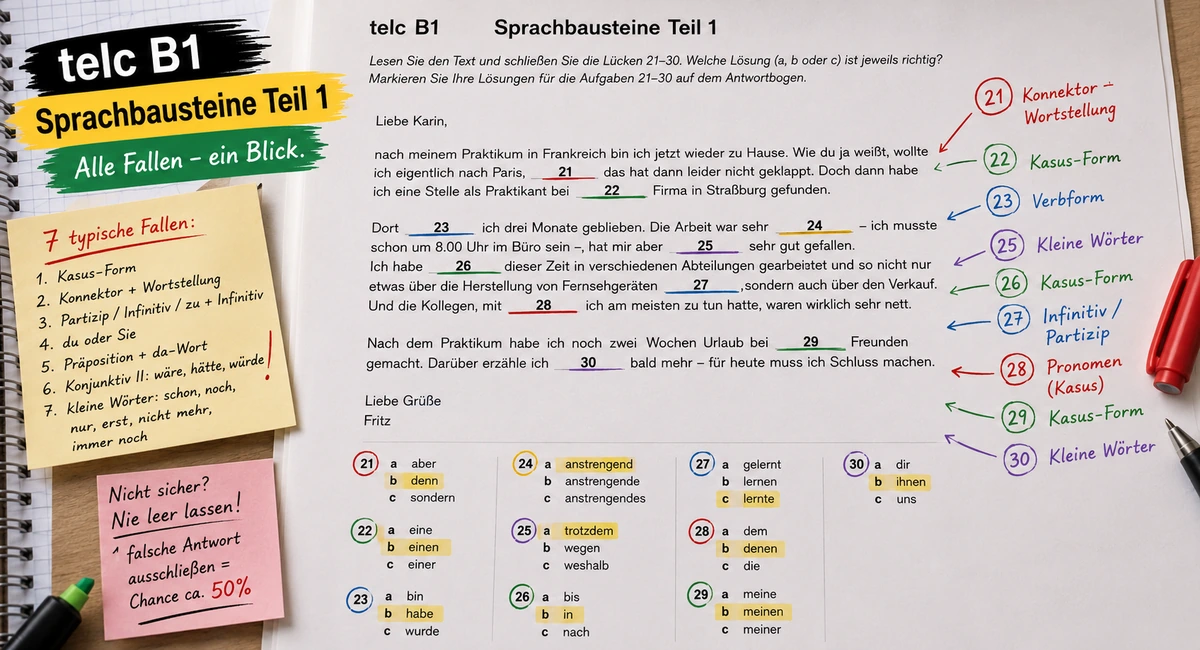
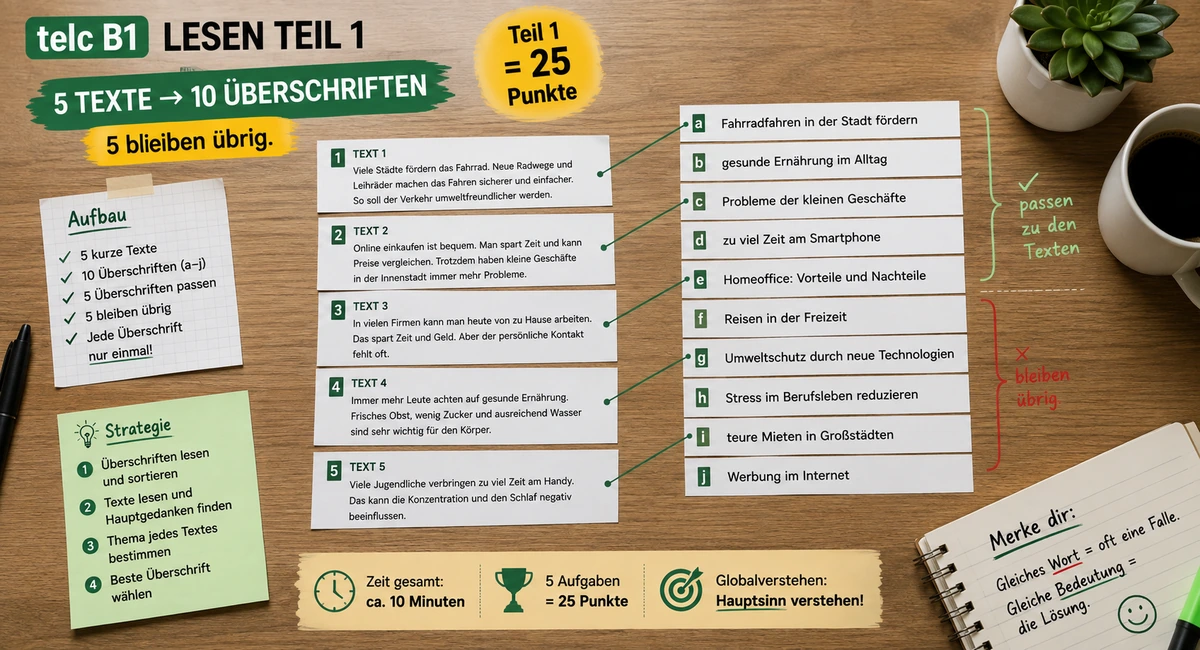
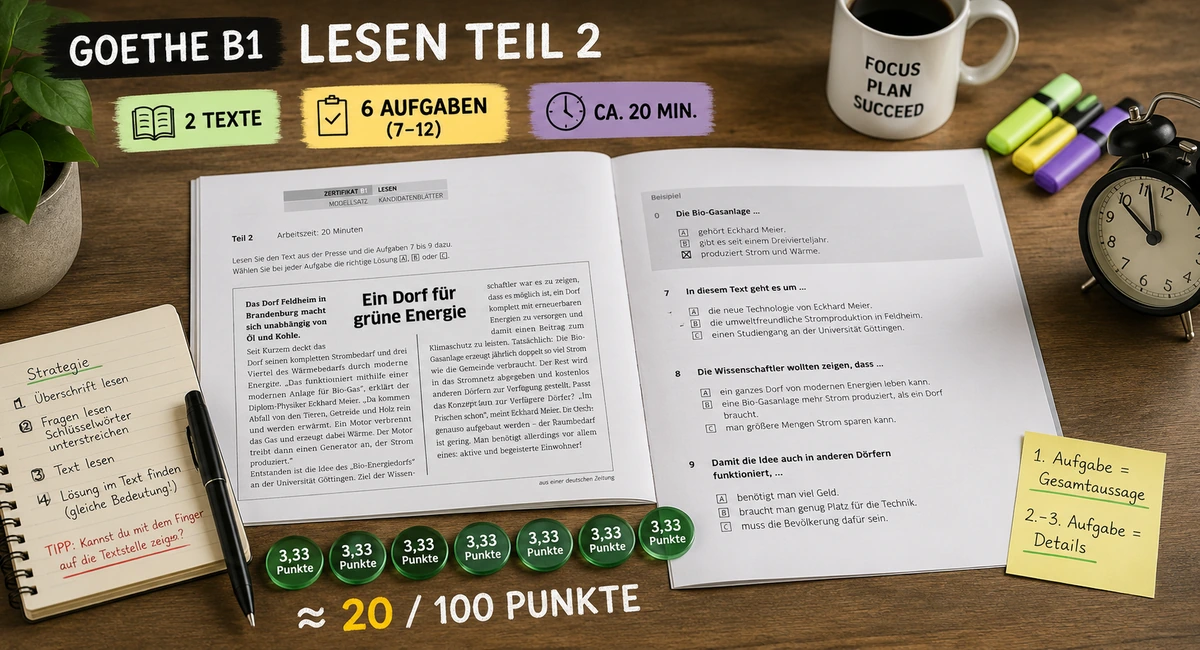
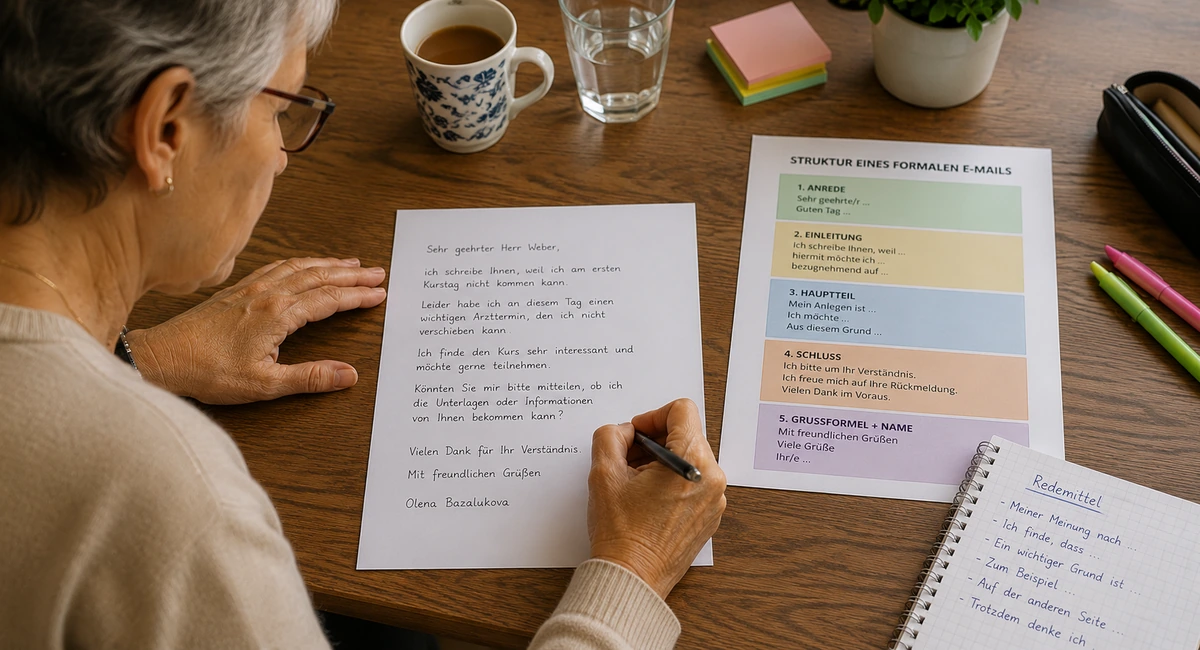
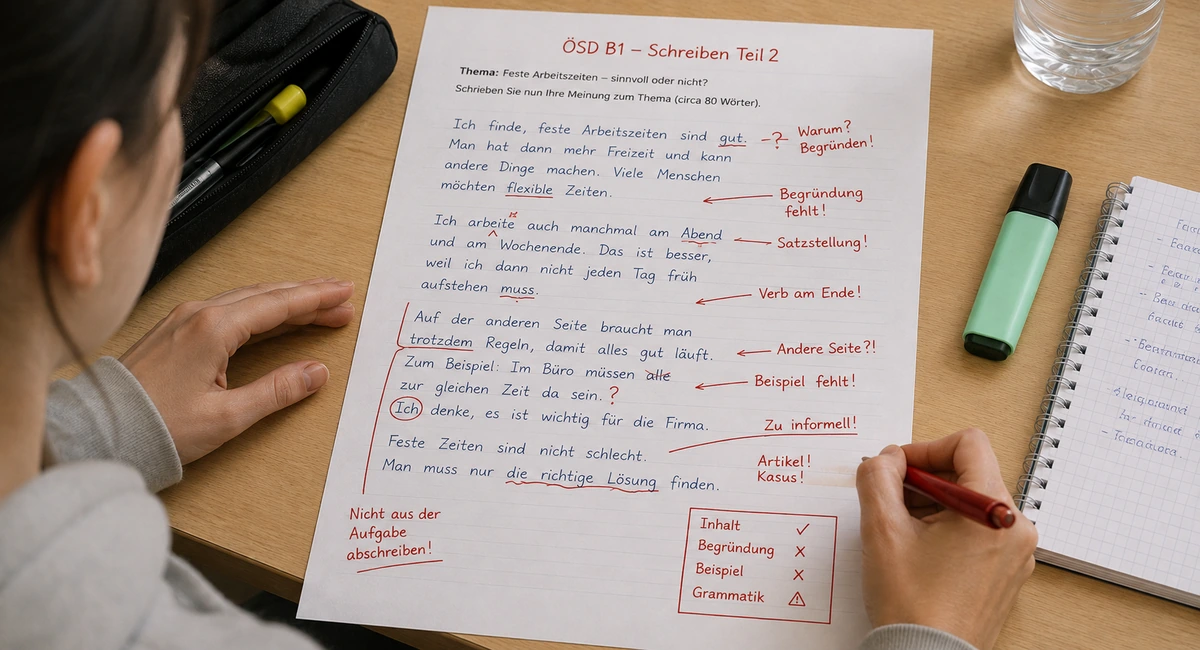
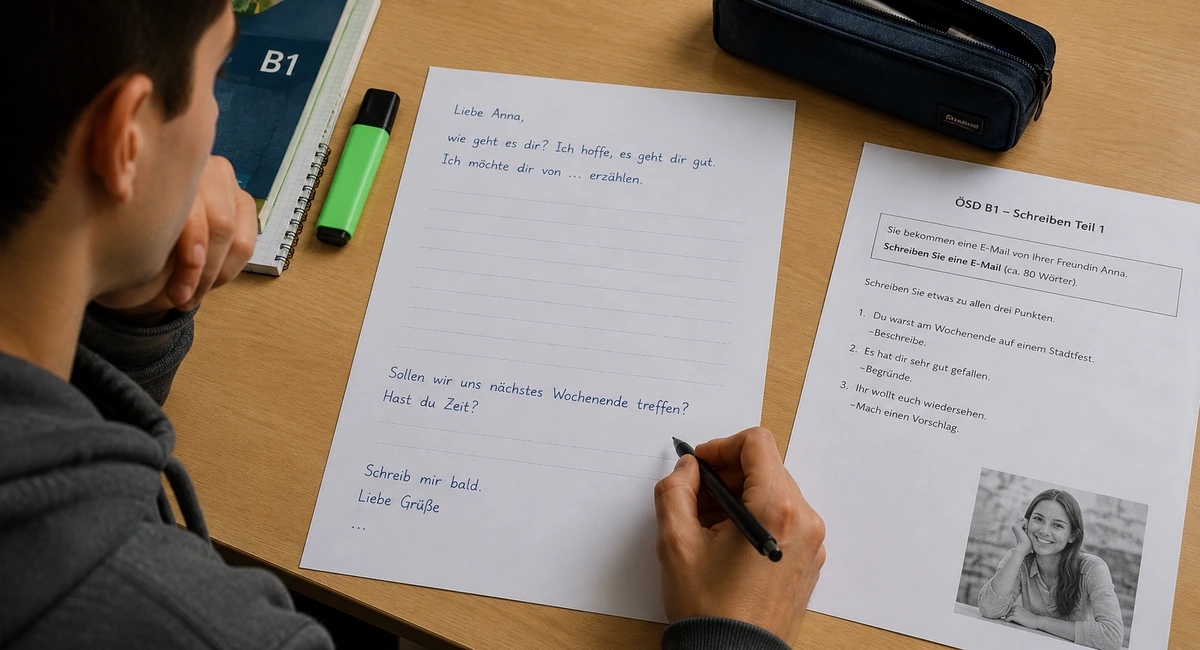
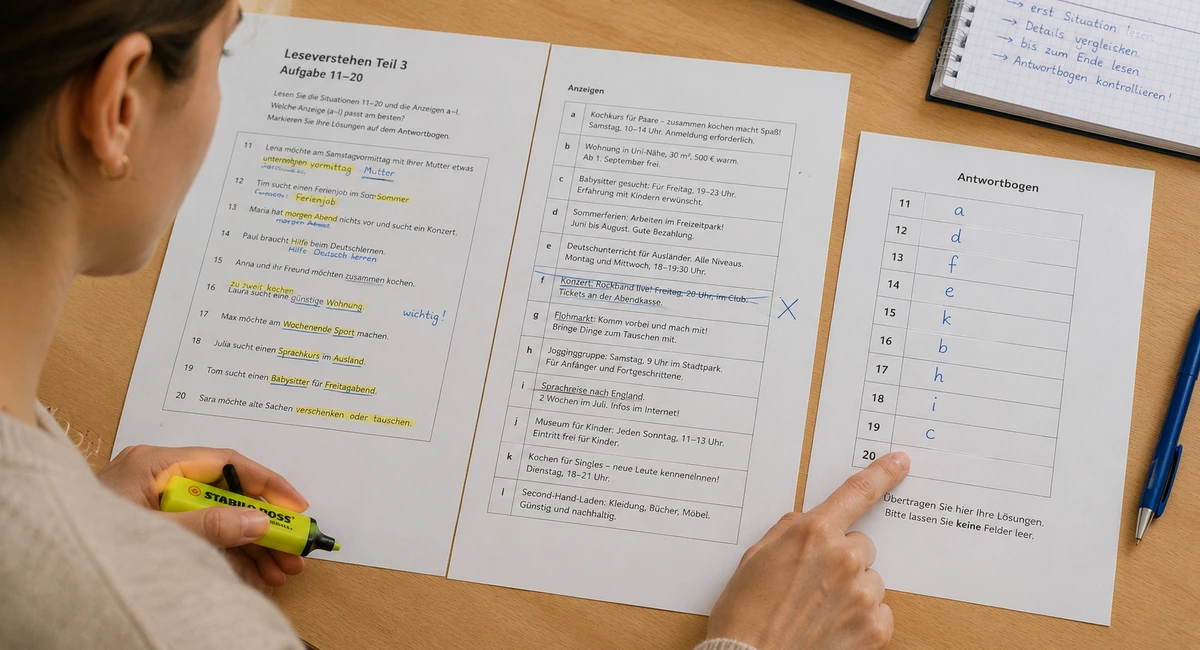
6. Why using such expressions significantly increases your score in exams
In exams such as Goethe, telc, or DTZ, the variety and appropriateness of your vocabulary are assessed.
Using expressions like “den Brotkorb höher hängen” correctly leads to a better score because:
a. Idiomatic expressions show natural language competence
They demonstrate that you do not only master basic vocabulary, but also real everyday language.
b. They improve the score in the area of “vocabulary range”
An idiomatic expression sounds more mature and stylistically stronger than simple wording.
c. Your texts become more vivid and communicative
Examiners pay attention to whether a text is convincing, clear, and stylistically appropriate.
A suitable expression immediately enhances quality.
d. You show a higher level of handling meaning and context
Anyone who uses an idiomatic expression correctly shows an understanding of metaphorical language—an important criterion for higher scores.
e. The overall impression of language use becomes significantly more positive
A successful idiomatic expression can enhance an entire piece of writing or a whole spoken response.
7. Conclusion
“Den Brotkorb höher hängen” means to tighten conditions or reduce support. The metaphor comes from everyday life: a bread basket hung higher is harder to reach—just as something becomes harder to access in a figurative sense.
The expression is firmly established in the language and describes typical situations in business, family life, and everyday contexts.
And finally: using such expressions correctly in exams increases your score because it demonstrates linguistic confidence, variety, and natural expression.







































































There are no comments for this article. Leave your comment